Evidence of Nuclear Fission && Fusion
- [Nuclear Fission Products] Barium and Strontium Detected in The World Trade Center Dust
- Yttrium Detected From Decay of Nuclear Fission Product: Strontium-90
- [Nuclear Fusion Fuel] Tritium Detected In Water Surrounding World Trade Center Complex
- [Nuclear Fission Product] Radioactive Iodine-131 Detected At World Trade Center
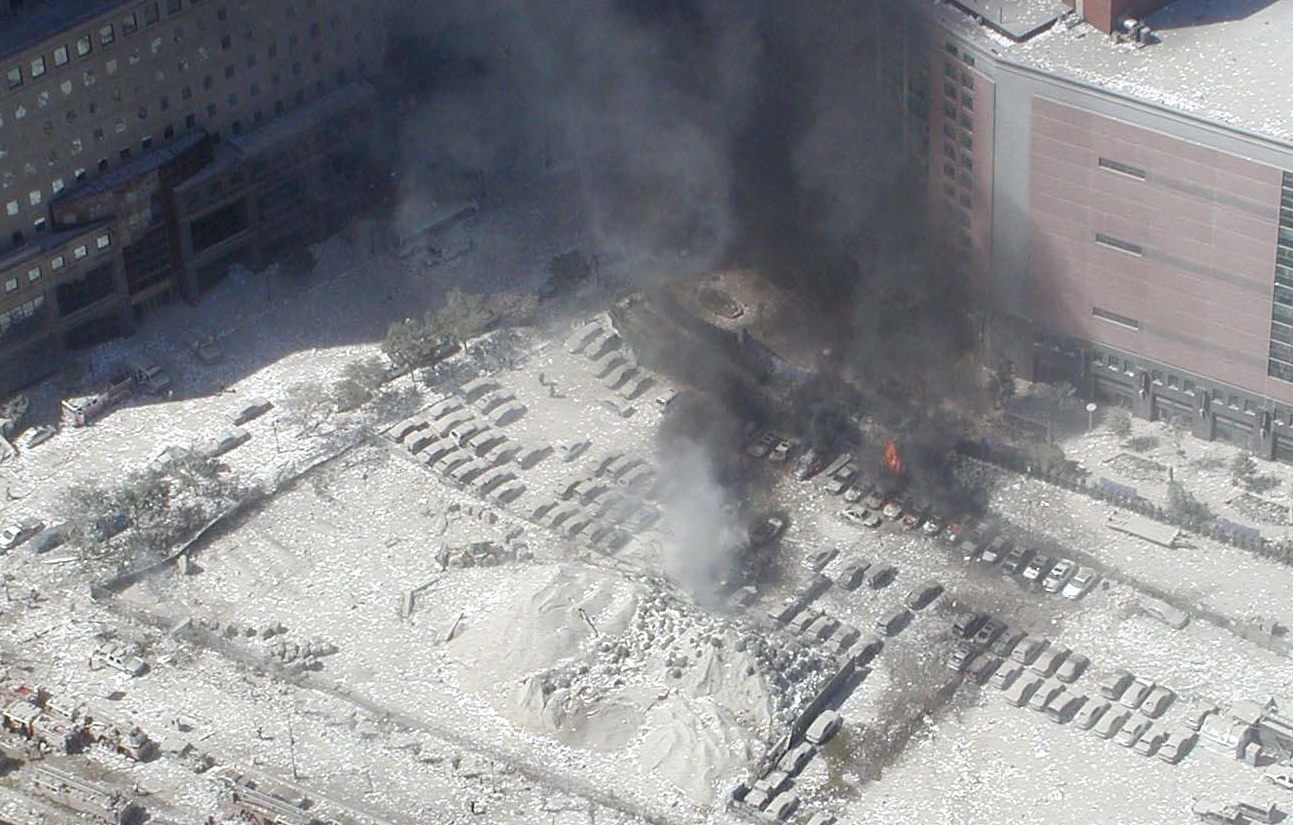
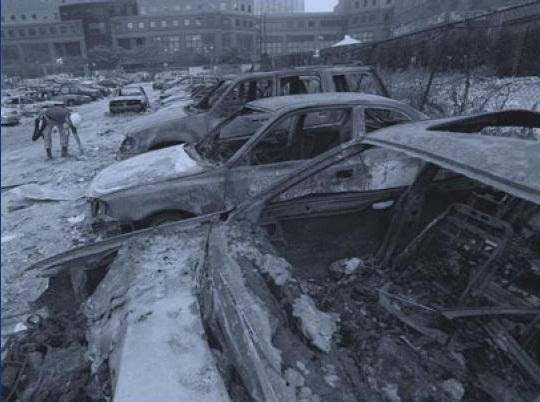
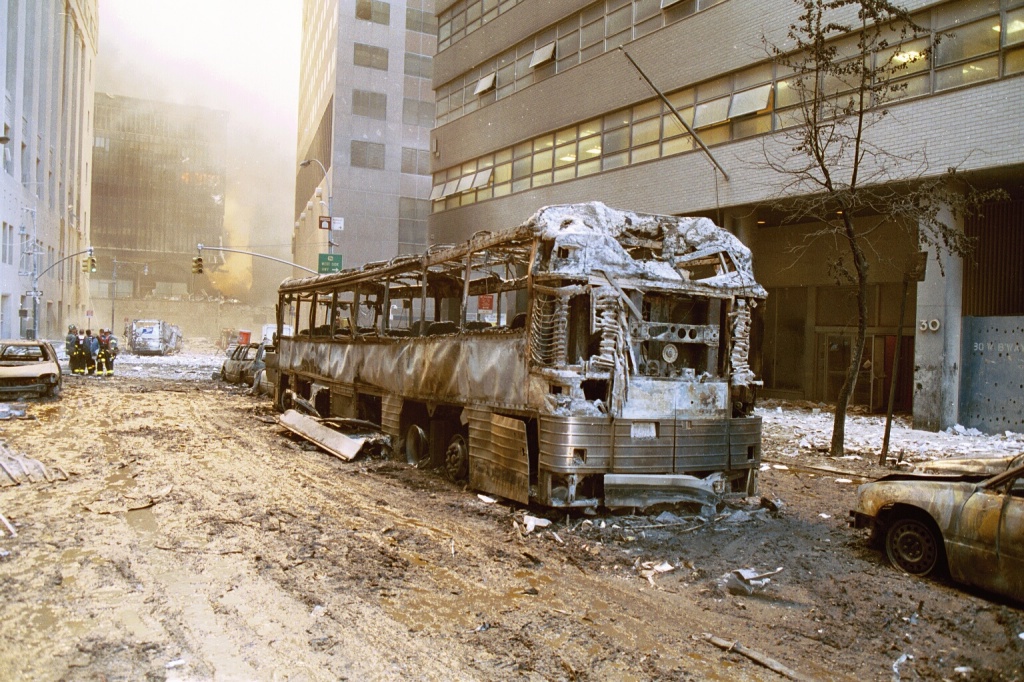
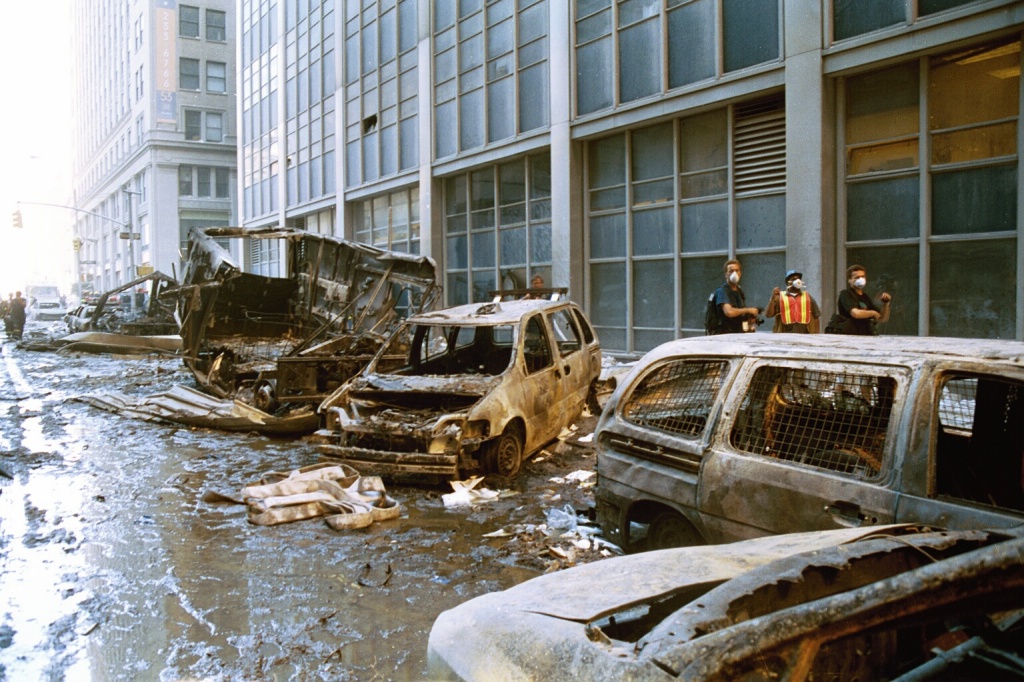
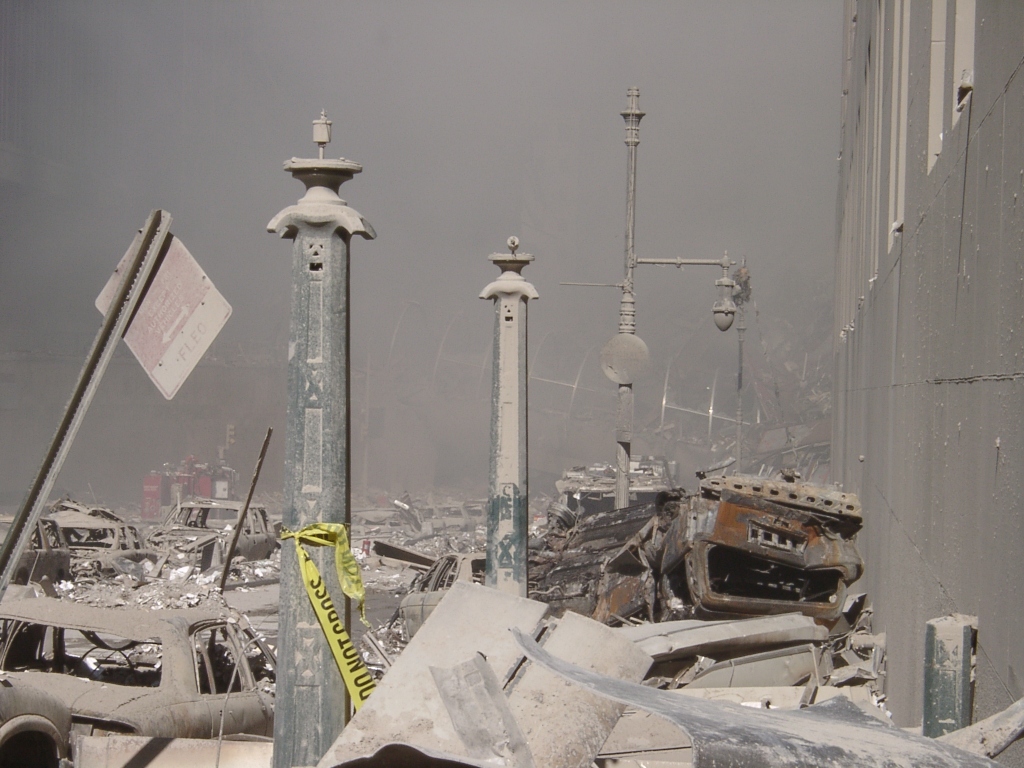
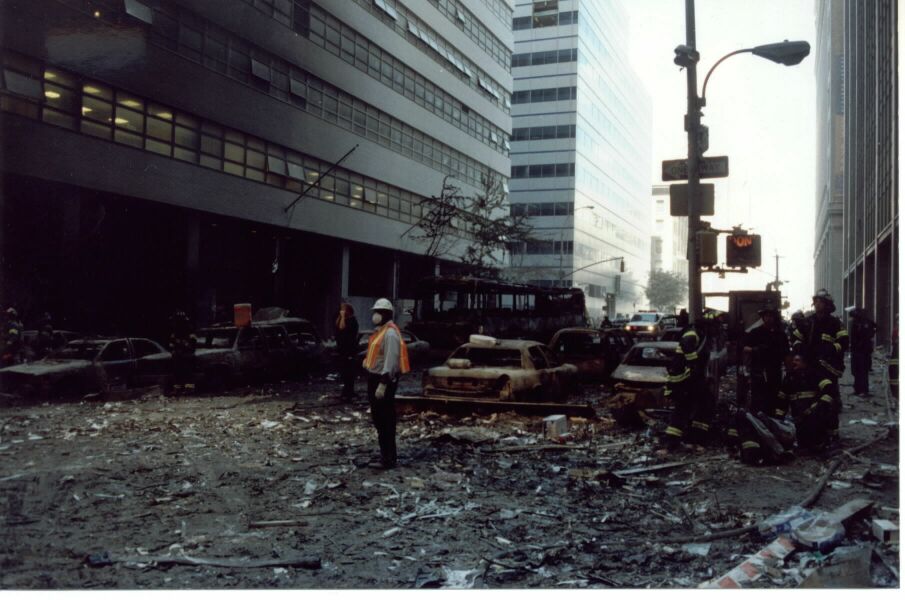
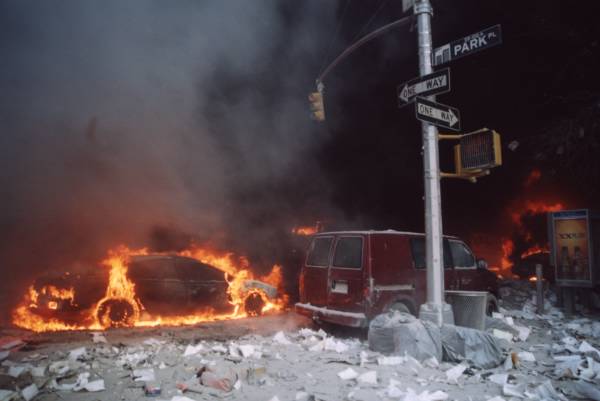
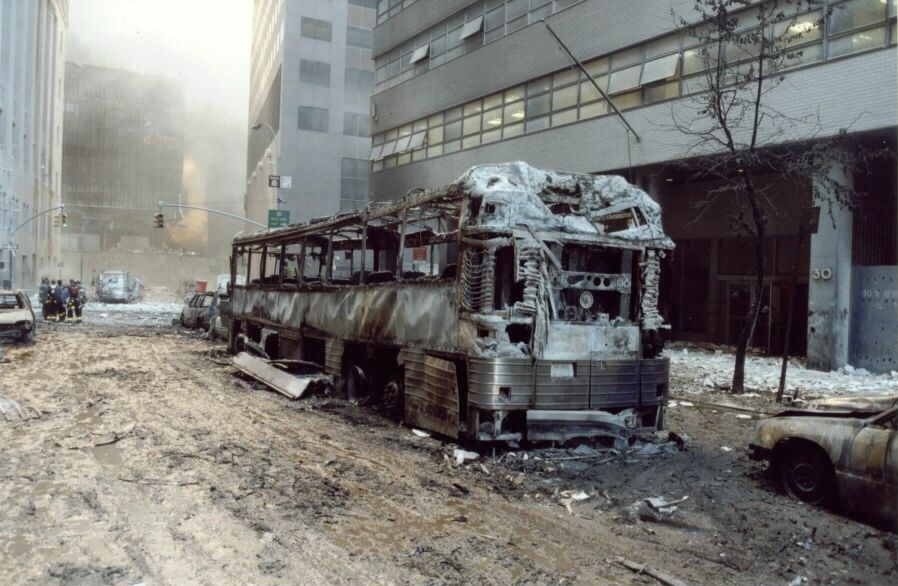
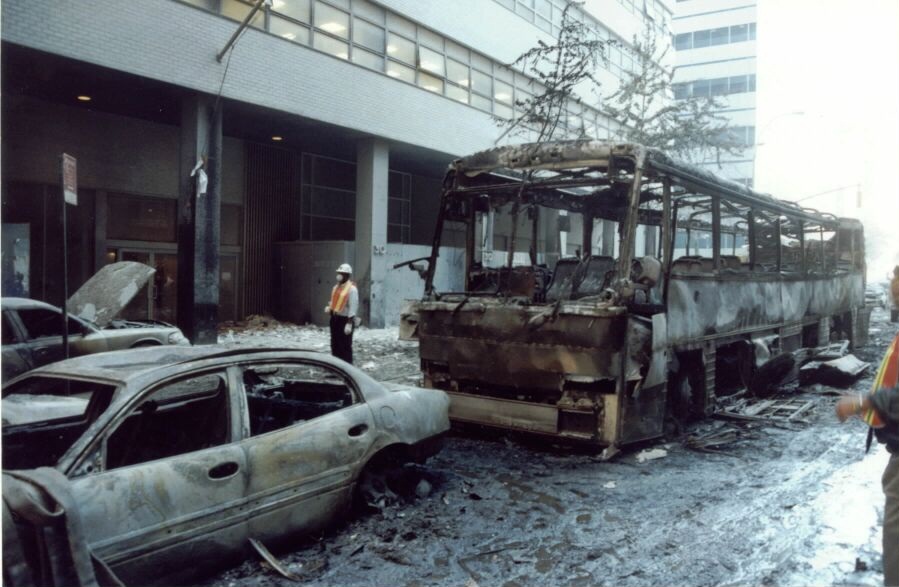
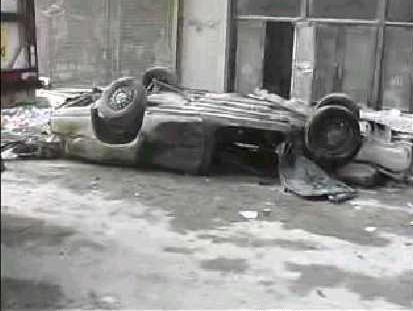
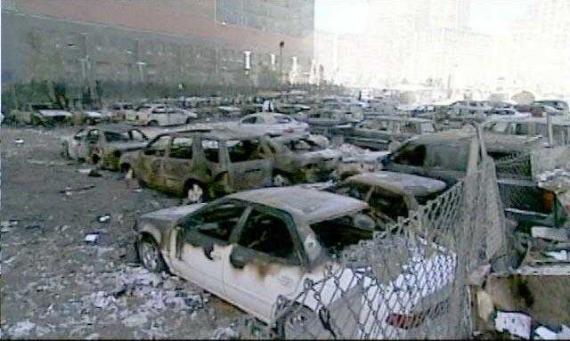
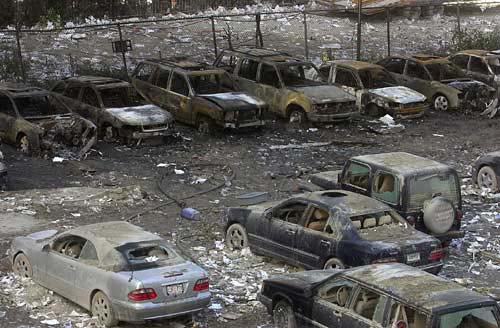
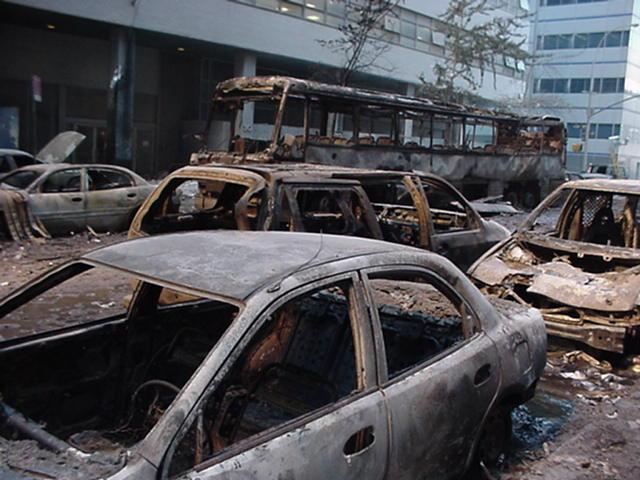
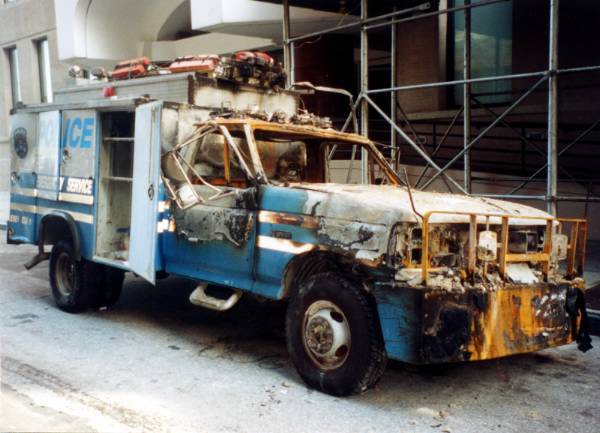
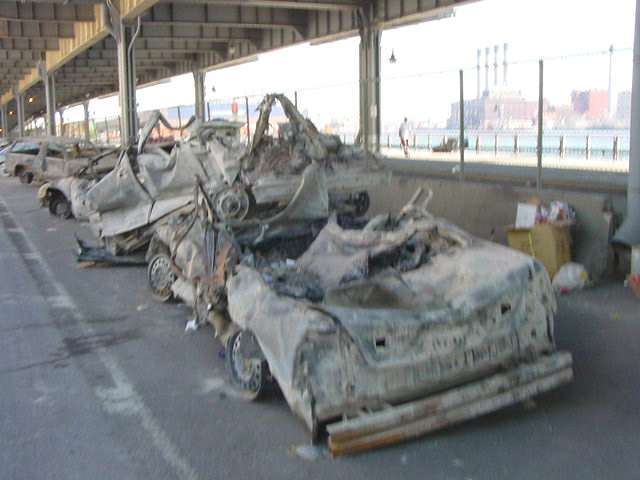
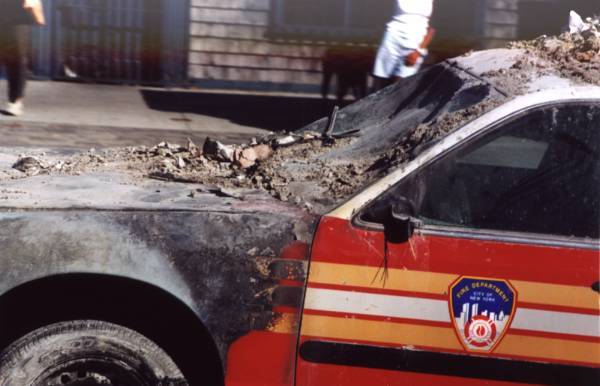
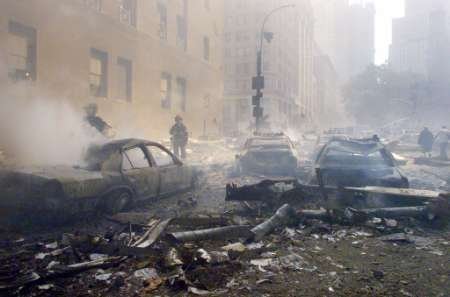
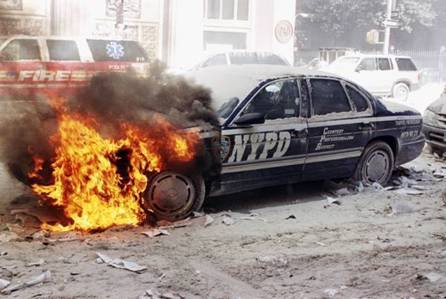
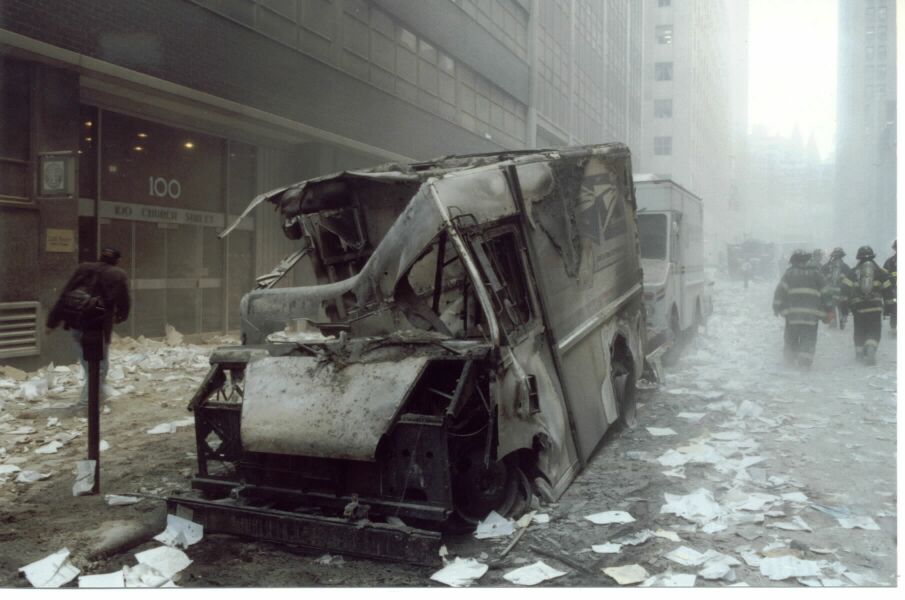
- Electromagnetic Pulse Blast Destroyed Vehicles Surrounding The World Trade Center
What Is Barium And How Does It Related to Nuclear Fission?
Barium specifically the Barium-141 isotope is one of the products of Nuclear Fission.
This was discovered in 1939 by Otto Hahn and Fritz Strassman in Berlin, Germany.
This was discovered during an experiment where Uranium-135 was bombarded with neutrons.
One of the Nuclear Fission products produced by this experiment was Barium-141.
View Cached Source
Washington State Department of Health
Fact Sheet 320-093 - The History Of Fission
SOURCE_URL: https://doh.wa.gov/sites/default/files/legacy/Documents/Pubs//320-093_nucfis_fs.pdf
“As chemists we are obliged to accept the assignment of barium to the observed activity, but as nuclear chemists working very closely to the field of physics we cannot
yet bring ourselves to take such a drastic step, which goes against all previous experience in nuclear physics.
It could be, however, that a series of strange coincidences has misled us.”
- Otto Hahn, Fritz Strassmann, Naturwissenschaften, 1939, 27, p11.
View Cached Source
Los Alamos NATIONAL LABORATORY
A History of Plutonium - Shining Light on a Dark Element
SOURCE_URL: https://www.lanl.gov/media/publications/actinide-research-quarterly/0922-shining-light-on-a-dark-element
Facts About Barium
- Lorem Ipsum
- Lorem Ipsum
- Lorem Ipsum
- Lorem Ipsum
- Lorem Ipsum
- Lorem Ipsum
- Lorem Ipsum
What Is Strontium[-90] And How Does It Related to Nuclear Fission?
Strontium
Facts About Strontium
- Lorem Ipsum
- Lorem Ipsum
- Lorem Ipsum
- Lorem Ipsum
- Lorem Ipsum
- Lorem Ipsum
- Lorem Ipsum
The WTC Dust Contained Barium, Strontium[-90], Yttrium[-90] and Uranium[-235,238]
Chemistry Table 1 - Outdoor dust Samples
| Elements
|
WTC 01-02 |
WTC 01-03 |
WTC 01-05 |
WTC 01-06 |
WTC 01-14 |
| Barium (PPM) |
765 |
376 |
nm |
nm |
461 |
| Strontium (PPM) |
1000 |
409 |
nm |
nm |
643 |
| Yttrium (PPM) |
58.9 |
30.2 |
nm |
nm |
2.89 |
| Uranium (PPM) |
3.92 |
1.96 |
nm |
nm |
777 |
Chemistry Table 1, continued - Outdoor dust samples, continued
| Elements
| WTC 01-15 |
WTC 01-16 |
WTC01-17 |
WTC 01-21 |
WTC 01-22 |
| Barium (PPM) |
405 |
3670 |
nm |
460 |
452 |
| Strontium (PPM) |
736 |
3130 |
nm |
787 |
710 |
| Yttrium (PPM) |
46.1 |
31.4 |
nm |
54.5 |
47.6 |
| Uranium (PPM) |
2.71 |
2.3 |
nm |
3.16 |
3.09 |
Chemistry Table 1, continued - Outdoor dust samples, continued [Second Table]
| Elements
| WTC 01-25 |
WTC 01-27 |
WTC 01-28 |
WTC01-30 |
WTC01-34 |
| Barium (PPM) |
624 |
470 |
491 |
nm |
nm |
| Strontium (PPM) |
695 |
701 |
711 |
nm |
nm |
| Yttrium (PPM) |
61.6 |
54.9 |
53.8 |
nm |
nm |
| Uranium (PPM) |
3.78 |
3.36 |
3.27 |
nm |
nm |
Chemistry Table 1, continued - Indoor dust samples
| Elements | WTC 01-20 |
WTC 01-36 |
| Barium (PPM) |
390 |
438 |
| Strontium (PPM) |
706 |
823 |
| Yttrium (PPM) |
44.1 |
52.6 |
| Uranium (PPM) |
2.7 |
3.23 |
Chemistry Table 1, continued - Girder coatings
| Elements | WTC 01-08 |
WTC 01-09 |
| Barium (PPM) |
317 |
472 |
| Strontium (PPM) |
444 |
378 |
| Yttrium (PPM) |
134 |
243 |
| Uranium(PPM) |
4.72 |
7.57 |
Chemistry Table 1, continued - Minimum, Maximum && Mean
| Elements | Minimum | Maximum |
Mean* |
| Barium (PPM) |
317 |
3670 |
533.38 |
| Strontium (PPM) |
378 |
3130 |
726.61 |
| Yttrium (PPM) |
30.2 |
243 |
57.45 |
| Uranium (PPM) |
1.96 |
7.57 |
3.29 |
View Cached Source
United States Geological Survey [Science For A Changing World]
Environmental Studies of the World Trade Center area after the September 11, 2001 attack.
Chemistry Table 1
SOURCE_URL: https://pubs.usgs.gov/of/2001/ofr-01-0429/chem1/WTCchemistrytable.html
"Traces of tritiated water (HTO) were detected at the World Trade Center (WTC) ground zero after the 9/11/01 terrorist attack.
A water sample from the WTC sewer, collected on 9/13/01, contained 0.164±0.074 (2σ) nCi/L of HTO. A split water sample, collected on 9/21/01 from the basement of
WTC Building 6, contained 3.53±0.17 and 2.83±0.15 nCi/L, respectively. These results are well below the levels of concern to human exposure. Several water and vegetation
samples were analyzed from sites outside ground zero, located in Manhattan, Brooklyn, Queens, and the Kensico and Croton Reservoirs."
View Cached Source
U.S. Department of Energy - Lawrence Livermore National Laboratory
(c) Fission Energy and Systems Safety Program, Lawrence Livermore National Laboratory, Livermore, CA 94551
(d) Nuclear Science Division, E.O. Lawrence Berkeley National Laboratory, Berkeley, CA 94720
Robert L. Rabun (e) Tritium Engineering Department, Westinghouse Savannah River Company, Aiken, SC 29808
Study of Traces of Tritium at the World Trade Center
SOURCE_URL: https://pubs.acs.org/doi/10.1021/bk-2004-0868.ch015
"Traces of tritiated water (HTO) were determined at World Trade Center (WTC) ground zero after the 9/11/01 terrorist attack. A method of ultralow-background liquid scintillation
counting was used after distilling HTO from the samples. A water sample from the WTC sewer, collected on 9/13/01, contained 0.174kO.074 (20) nCi/L of HTO. A split water sample, collected
on 9/21/01 from the basement of WTC Building 6, contained 3.53k0.17 and 2.83k0.15 nCi/L nCi/L, respectively."
View Cached Source
U.S. Department of Energy - Lawrence Livermore National Laboratory
G. Wozniak (b) Nuclear Science Division, P. Williams (c) Physical Biosciences Division, Lawrence Berkeley National Laboratory, Berkeley, CA
Tritium in the World Trade Center September 11th, 2001 Terrorist Attack: It's Possible Sources and Fate
SOURCE_URL: https://www.osti.gov/servlets/purl/15013327
2.4 CHANGES TO THE EGRESS SYSTEM AFTER 1993 BOMBING
"The February 26, 1993. World Trade Center bombing precipitated a $250 million"" repair and life safety upgrade to the complex, including (PANYNJ undated):
- Radio repeaters on the roof of WTC 5 for Fire Department communications.
- Circulation improvements.
- New North (to Vesey St.) and South (to Liberty St.) corridors for faster evacuation from the Concourse (mall).
- Two escalators from the Concourse (mall): one to the plaza at WTC 5 and one up to WTC 4 and onto Church St.
- Photoluminescent paint on handrails, stair treads, and stair centerline.
- Multiple power sources for stairwell lighting: 2 normal feeds, back-up generator, and a back-up from the PATH system; battery backup for every other stairwell fixture (up to 90 minutes).
- LED exit signs for extra brightness and visibility through smoke conditions.
- Fluorescent signs inside stairwells at all stair reentry doors along with raised porcelain type Braille.
- Fire Command Stations in main lobbies."
View Cached Source
National Institute of Standards and Technology
NISTNCSTAR1-7
Federal Building and Fire Safety Investigation of the World Trade Center Disaster - Occupant Behavior, Egress, and Emergency Communications
SOURCE_URL: https://nvlpubs.nist.gov/nistpubs/Legacy/NCSTAR/ncstar1-7.pdf
The WTC Dust Contained Lithium[-6]
Chemistry Table 1 - Outdoor dust Samples
| Elements
| WTC 01-02 |
WTC 01-03 |
WTC 01-05 |
WTC 01-06 |
WTC 01-14 |
| Lithium (PPM) |
27.4 |
17.4 |
nm |
nm |
23.2 |
Chemistry Table 1, continued - Outdoor dust samples, continued
| Elements
| WTC 01-15 |
WTC 01-16 |
WTC01-17 |
WTC 01-21 |
WTC 01-22 |
| Lithium (PPM) |
22.1 |
18 |
nm |
23.3 |
23 |
Chemistry Table 1, continued - Outdoor dust samples, continued [Second Table]
| Elements
| WTC 01-25 |
WTC 01-27 |
WTC 01-28 |
WTC01-30 |
WTC01-34 |
| Lithium (PPM) |
28.5 |
25.2 |
24.8 |
nm |
nm |
Chemistry Table 1, continued - Indoor dust samples
| Elements
| WTC 01-20 |
WTC 01-36 |
| Lithium (PPM) |
21.9 |
24.9 |
Chemistry Table 1, continued - Girder coatings
| Elements
| WTC 01-08 |
WTC 01-09 |
| Lithium (PPM) |
25.2 |
36.4 |
Chemistry Table 1, continued - Minimum, Maximum && Mean
| Elements
| Minimum |
Maximum |
Mean* |
| Lithium (PPM) |
17.4 |
36.4 |
24.00 |
View Cached Source
United States Geological Survey [Science For A Changing World]
World Trade Center USGS Bulk Chemistry Results
SOURCE_URL: https://pubs.usgs.gov/of/2001/ofr-01-0429/chem1/WTCchemistrytable.html
Tritium is not common. It is a radioactive isotope that decays relatively quickly, with a 12-year half-life.
It is rare in nature and not immediately available for use in potential power plants. However, there is a process to produce tritium.
For example, exposing the more common element lithium to energetic neutrons can generate tritium through low-energy nuclear fission.
Scientists are actively researching how to produce tritium, a process called breeding, as part of a subsystem of a fusion power plant
at the rate needed to make future power plants self-sufficient for their tritium supply.
Tritium breeding systems will require enriched lithium, specifically the isotope lithium-6 (with three protons and three neutrons).
Since lithium-6 is far less abundant than other lithium isotopes, scientists are actively researching lithium isotope separation with an emphasis on scalable,
environmentally friendly methods.
View Cached Source
United States Department of Energy
DOE Explains...Deuterium-Tritium Fusion Fuel
SOURCE_URL: https://www.energy.gov/science/doe-explainsdeuterium-tritium-fusion-fuel
Electromagnetic Pulse Blast
What Is An Electromagnetic Pulse Blast?
How Does Nuclear Fusion Relate To EMP
How Does Nuclear Fission Relate to EMP
Nuclear Fission In A 3rd Generation Hydrogen Weapon
- Fission Primary Trigger Used To Ignite Large-Scale Fusion Secondary
- Fissile Material Rod (Initiated In Fusion Stage)
- "Fast-Fission of the Tamper"
- Nuclear Fission In 3rd Generation Nuclear Device Blast Shaping
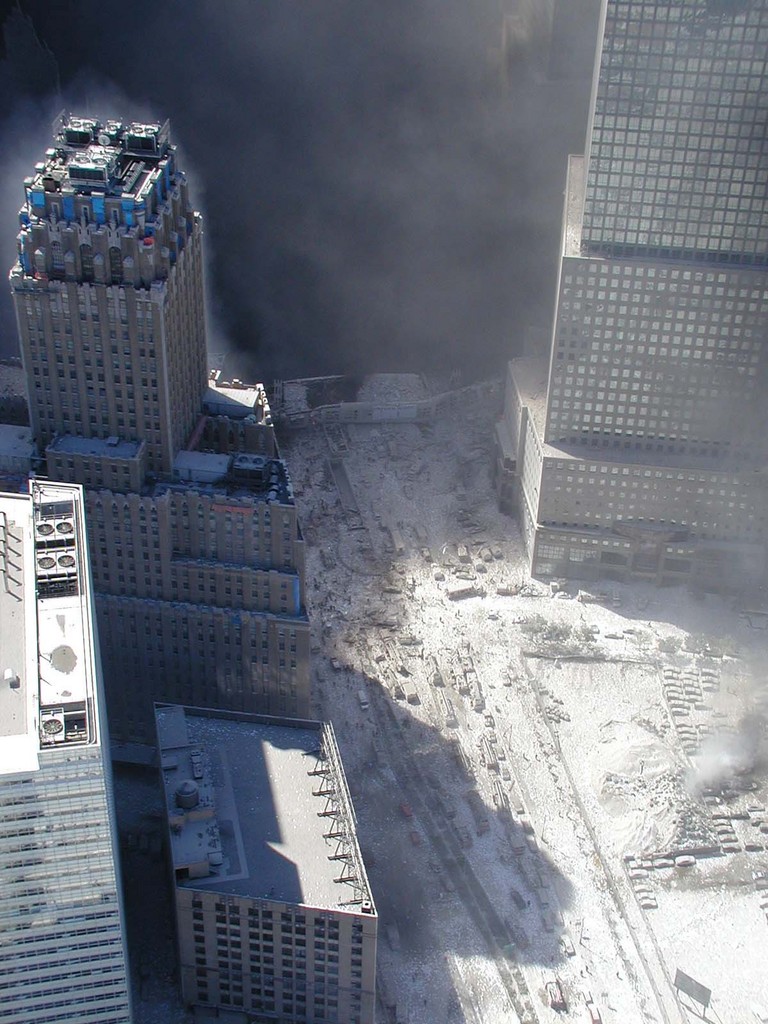
Burnt Vehicles Were Observed At The WTC Complex After The Collapse Of The WTC Towers
Note: [Explain First How Burnt Vehicles Are Not Related To Pyroclastic Flow and Why.]